AR
AR

Best Natural Oils for Hair Loss and Regrowth: The Ultimate Guide
Can Natural Oils Truly Reverse Hair Loss? The Science Revealed
- Boosting Blood Flow: When massaged into the scalp, botanical oils actively increase local microcirculation. This delivers critical oxygen and nutrients to dormant or weakened follicles, encouraging them to enter the anagen (growth) phase
- Blocking DHT Damage: Certain natural compounds help inhibit DHT (dihydrotestosterone) locally or protect vulnerable follicles from androgenic damage, reducing hair miniaturization in genetically susceptible individuals.
- Combating Scalp Inflammation: Premium oils supply potent antioxidants and anti-inflammatory molecules. These target oxidative stress and chronic scalp irritation—two major hidden contributors to premature shedding.
The Best Natural Oils for Hair Loss and Thickness
Choosing the right natural oil depends entirely on your specific scalp type and the root cause of your shedding. Combining a clean carrier oil with a targeted essential oil yields far better cumulative results than one-off applications. Here are the three top-performing options:
1. Rosemary Essential Oil: The Follicle Stimulator
- Rosemary essential oil stands out as one of the most clinically studied botanicals for hair density.
How it works: Regular topical application increases scalp circulation and actively supports hair density over time. Its natural terpenes help shield follicles from androgen-related thinning.
- Application: Always use it highly diluted (a few drops per tablespoon of a carrier oil) and massage it into the scalp 2–3 times weekly. Consistent use over 3–6 months gives the best chance to observe thicker, visible growth.
2. Black Seed Oil (Kalonji): The Shaft Fortifier
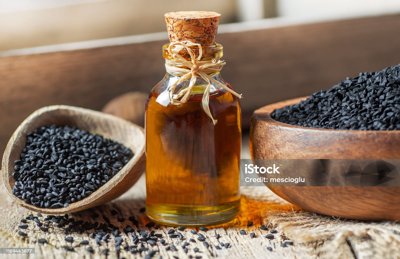
Extracted from Nigella sativa, pure black seed oil is famous for its high concentration of thymoquinone and intense antioxidant properties.
- How it works: It works efficiently to strengthen the hair shaft from within, significantly lowering daily breakage and improving apparent structural density. It is highly recommended for revitalizing vulnerable hair following postpartum shedding or stress-related loss.
- Timeline: Most users notice reduced breakage and a richer hair texture within 4–12 weeks of regular application.
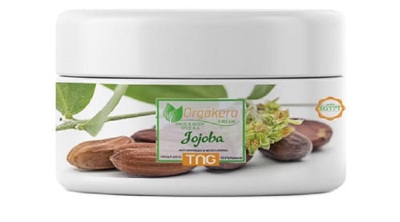
3. Jojoba Oil: The Sebum Balancer
Jojoba oil acts as the ultimate "biomimetic" moisturizer because it closely resembles human sebum.
- How it works: It regulates oily scalps naturally without clogging pores or leaving a heavy residue. It breaks down buildup, soothes irritation, and serves as an ideal, lightweight carrier oil for potent essential oils like rosemary.
- Ideal for: Flaky, irritated, or imbalanced scalps looking to eliminate secondary shedding.
Real Results: How Pure Oils Revitalized Thinning Hair
A Trustworthy Case Study:
A 34-year-old woman experiencing diffuse shedding and visible thinning along the crown following a high-stress period adopted a simple, disciplined organic routine.
Twice a week, she applied a warm oil blend consisting of one tablespoon of jojoba oil, one teaspoon of black seed oil, and three drops of rosemary essential oil, performing a 15-minute scalp massage. Simultaneously, she corrected underlying iron and vitamin D deficiencies based on her medical lab reports.
Within four weeks, her daily shedding dropped significantly, and hair texture felt noticeably softer. By twelve weeks, she observed visible filling of thin areas along the crown and stronger strands. This success highlights that consistent topical care works best when paired with healthy internal nutrition and stress management.
How to Apply Natural Oils for Hair Loss Effectively
To maximize results and maintain a clean scalp environment, follow this professional step-by-step application routine:
- Prepare & Dilute: Select a high-quality carrier oil (like jojoba, coconut, or olive oil). Add 2–4 drops of pure rosemary essential oil per tablespoon of your chosen carrier.
- Warm Gently: Place your oil bottle in a bowl of warm water for a few minutes until it reaches a comfortable, lukewarm temperature. Never overheat or boil the oil, as this destroys the active nutrients.
- Targeted Massage: Section your hair and use your fingertips (never your nails) to massage the blend into your scalp using gentle, circular motions for 5–15 minutes to kickstart circulation.
- The Wait Period: Leave the oil blend on for 30 minutes up to 2 hours depending on your scalp sensitivity. Avoid leaving heavy oils on your scalp for multiple days to prevent pore buildup and follicle clogging.
- Rinse Thoroughly: Wash your hair with a mild, sulfate-free shampoo to remove all residues cleanly. Repeat this routine 1–3 times per week based on your hair density and oil weight.
Safety Note: Always perform a patch test on a small skin area 24 hours before full application to check for sensitivity. If you experience sudden, severe patchy loss, consult a dermatologist before relying on topical oils alone.
FAQ
How often should I use natural oils for hair shedding?
For optimal results without overwhelming your scalp, apply a lightweight oil or a diluted essential-oil blend 1 to 3 times per week. If you have an oily scalp, stick to once a week; if your scalp is naturally dry or coarse, it can comfortably tolerate twice-to-thrice weekly treatments.
Which oil is best for regrowing hairline patches?
Rosemary essential oil (properly diluted into a nourishing carrier oil like jojoba) is the top-recommended natural option for stimulating follicular activity along a receding or thinning hairline. Because hair growth cycles take time, visible results are gradual and require consistent application for a minimum of 3 to 6 months.


__md.jpg)


__lg__md.jpg)


__md.jpg)


__md.jpg)


 (1)__md.jpg)
__md.jpg)

__md.jpg)
__md.jpg)

_1__md.jpg)
 (1)__md.jpg)

__md.jpg)
 (1) (1) (1) (1)__md.jpg)
 (1)__md.jpg)
 (1) (1)__md.jpg)



 (1)__md.jpg)
__md.jpg)
__md.jpg)



__md.jpg)






__md.jpg)
__md.jpg)
__md.jpg)



__md.jpg)





__md.jpg)


__md.jpg)