AR
AR

Natural Oils for Hair and Skin: How to Choose the Right Oil
Choosing the right natural oil can transform your hair and skin routine, but with so many options, it’s hard to know where to start. Whether you’re looking for natural oils for dry hair, scalp care, or skin hydration, the key is matching the oil to your specific concern. From rosemary oil for follicle support to argan oil for shine, each oil offers unique benefits. Explore our guide to find the best fit, then browse the Lotus Natural Oils collection for premium, pure oils crafted for Egyptian climates.
Which Natural Oil Is Best for Hair and Skin?
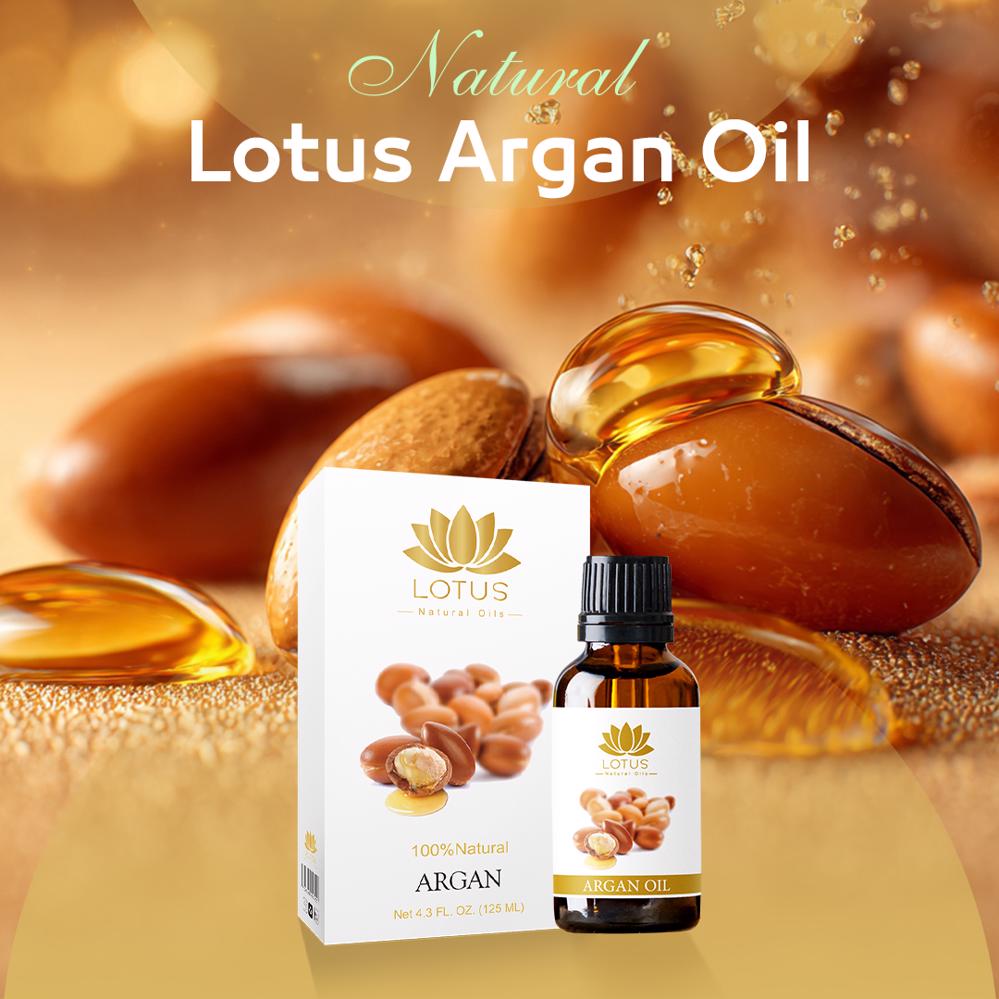
The best natural oil depends on your concern: rosemary oil helps support hair follicle health and scalp circulation; argan oil is ideal for dry hair and skin hydration; jojoba oil mimics natural sebum, making it perfect for oily skin or scalp; coconut oil deeply conditions dry hair; and tea tree oil is commonly used for scalp cleanliness. For general hydration and shine, almond oil and olive oil are versatile choices. Always patch-test before use and choose cold-pressed, unrefined oils for maximum purity.
Best Natural Oils for Hair
When searching for which natural oil is best for hair, consider your hair type and concern.
Rosemary oil: Commonly used in hair routines to support follicle health and scalp circulation. Often mixed with carrier oils like jojoba or almond.
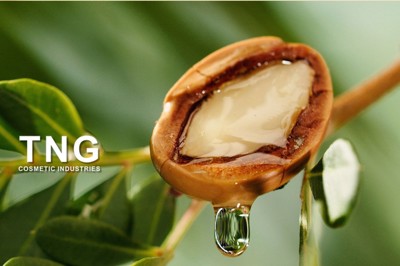
Argan oil: Rich in vitamin E and fatty acids; may improve the appearance of shine and reduce frizz in dry or damaged hair.
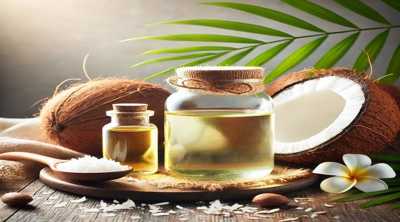
Coconut oil: Penetrates the hair shaft, helping to support moisture retention in dry or porous hair.
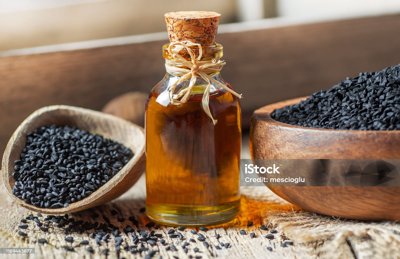
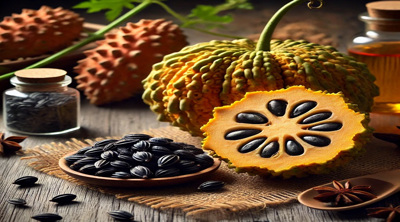
Black seed oil: Traditionally used for scalp wellness; may support the feeling of fuller-looking hair.
Lavender oil: Often added to hair blends for its soothing scent and potential scalp support.
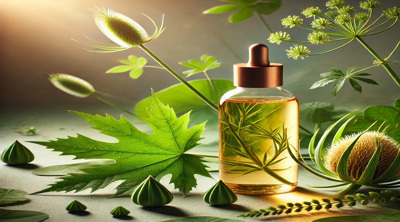
Watercress oil: Contains nutrients that may support hair strength when used in blends.
Best Natural Oils for Skin
Natural oils for skin hydration vary by skin type. Here are top picks:
| Oil | Best For | Key Benefit |
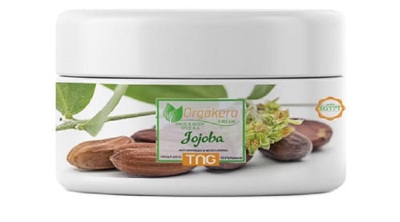
| Jojoba oil | All skin types, especially oily | Mimics natural sebum; non-comedogenic |
| Argan oil | Dry or mature skin | Deep hydration, improves softness |
| Almond oil | Sensitive or dry skin | Gentle, rich in vitamin E |
| Olive oil | Very dry skin | Intensive moisture, antioxidant-rich |
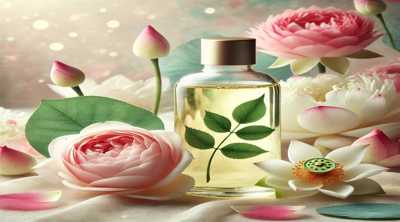
| Rose oil | Dull or uneven tone | May improve appearance of radiance |
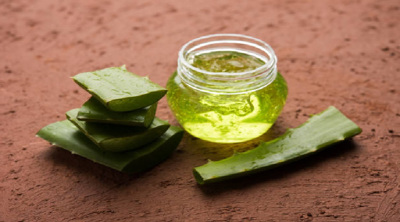
| Aloe vera oil | Calming hydration | Soothes, supports moisture barrier |
Avoid applying heavy oils like coconut on acne-prone skin unless patch-tested. Instead, opt for lighter options like jojoba or rose oil.
Best Natural Oils for Scalp Care
A healthy scalp is the foundation of healthy hair. These oils are commonly used in scalp care routines:
- Tea tree oil: Often diluted for its cleansing properties; supports a clean, refreshed scalp feeling.
- Rosemary oil: Massaged into the scalp to support circulation and follicle health.
- Mint oil: Provides a cooling sensation; may support a refreshed scalp feeling when diluted.
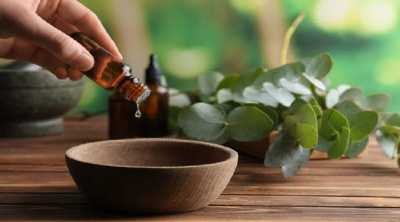
- Eucalyptus oil: Used in small amounts for its invigorating scent and scalp support.
- Lavender oil: Soothing for irritated scalps; often blended with carrier oils.
Always dilute essential oils (like tea tree, mint, eucalyptus) in a carrier oil (e.g., jojoba, almond) before scalp application to avoid irritation.
Best Natural Oils for Dry Hair
If you struggle with natural oils for dry hair, these options offer deep conditioning:
- Coconut oil: Best for pre-wash treatments; penetrates hair to support moisture.
- Argan oil: Ideal as a leave-in for shine and frizz control.
- Olive oil: Rich emollient for intensive weekly masks.
- Almond oil: Lightweight yet nourishing for daily ends treatment.
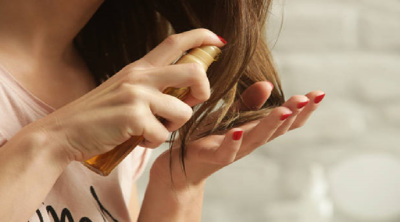
Pro tip: Apply to mid-lengths and ends, not the scalp, to avoid greasiness.
Best Natural Oils for Oily Skin or Oily Scalp
Oily skin or scalp needs lightweight, non-clogging oils.
| Concern | Recommended Oil | Why It Works |
| Oily skin | Jojoba oil | Balances sebum, non-greasy |
| Oily scalp | Jojoba + Tea tree | Cleanses, won’t clog pores |
| Combination skin | Almond oil | Light hydration without heaviness |
| Sensitive oily skin | Rose oil | Gentle, balancing |
Avoid heavy oils like coconut or olive on oily zones—they may feel too rich.
How to Use Natural Oils Safely
Natural oils are powerful, but safe use is key:
- Patch test: Apply a small amount on your inner forearm; wait 24 hours for reactions.
- Dilute essential oils: Always mix tea tree, mint, eucalyptus, or rosemary essential oils with a carrier oil (ratio: 3–5 drops per 1 tbsp carrier).
- Avoid ingestion: These are for topical use only.
- Storage: Keep in cool, dark places to preserve freshness.
- Frequency: 1–3 times weekly for hair; daily for skin if suitable.
- Seasonal adjustment: Use lighter oils (jojoba, rose) in summer; heavier (olive, argan) in dry winter months.
Which Natural Oil Should You Choose?
Use this quick guide to decide:
| Your Concern | Top Oil Choice | Alternative |
| Hair follicle support | Rosemary oil | Black seed oil |
| Dry hair | Coconut oil | Argan oil |
| Dry skin | Argan oil | Olive oil |
| Oily skin/scalp | Jojoba oil | Almond oil |
| Scalp cleanliness | Tea tree oil (diluted) | Mint oil (diluted) |
| Shine & frizz control | Argan oil | Rose oil |
| Sensitive skin | Almond oil | Aloe vera oil |
| Refreshing scalp feel | Lavender + Jojoba | Eucalyptus + Jojoba |
👉 Shop Lotus Natural Oils today and experience trusted, natural care for your hair and skin.
FAQ
Natural Oils for Hair and Skin
1. Which natural oil is best for hair growth support?
Rosemary oil is commonly used to support hair follicle health and scalp circulation. It’s often blended with carrier oils like jojoba or almond for safe application.
2. What oil is best for dry hair?
Coconut oil is ideal for deep conditioning dry hair, while argan oil works well as a leave-in for shine and frizz control.
3. Can I use natural oils on oily skin?
Yes—jojoba oil is best for oily skin as it mimics natural sebum and doesn’t clog pores. Avoid heavy oils like coconut on oily zones.
4. Is rosemary oil safe for daily scalp use?
Rosemary essential oil must be diluted (3–5 drops per 1 tbsp carrier oil) before scalp application. Daily use of diluted blends is generally safe for most.
5. Which oil is best for skin hydration?
Argan oil and jojoba oil are top choices for hydration. Argan is richer, while jojoba is lighter and suitable for all skin types.
6. Can I mix multiple natural oils?
Yes, blending is common (e.g., rosemary + jojoba for scalp, argan + almond for hair). Always patch-test new blends first.
7. How often should I apply natural oils to hair?
1–3 times weekly for hair treatments; daily for skin if your type tolerates it. Over-application may cause buildup.


__md.jpg)


__lg__md.jpg)


__md.jpg)


__md.jpg)


 (1)__md.jpg)
__md.jpg)

__md.jpg)
__md.jpg)

_1__md.jpg)
 (1)__md.jpg)

__md.jpg)
 (1) (1) (1) (1)__md.jpg)
 (1)__md.jpg)
 (1) (1)__md.jpg)



 (1)__md.jpg)
__md.jpg)
__md.jpg)



__md.jpg)




__md.jpg)
__md.jpg)
__md.jpg)

__md.jpg)



__md.jpg)


__md.jpg)